
When it comes to the traditions surrounding wedding rings, it’s fascinating to see how customs have evolved over time. Once upon a time, there seemed to be a clear-cut rulebook, but nowadays, that’s hardly the case. If you’ve ever wondered about the ins and outs of purchasing a man’s wedding ring, you’re not alone. Buying that special token of love doesn’t just symbolize commitment; it also opens up a ton of questions about tradition, financial responsibilities, and even gender roles. In the midst of planning a wedding, couples find themselves navigating these waters in a personal way, sometimes throwing the old rulebook out the window entirely.
Historical Perspectives on Buying Men’s Wedding Rings
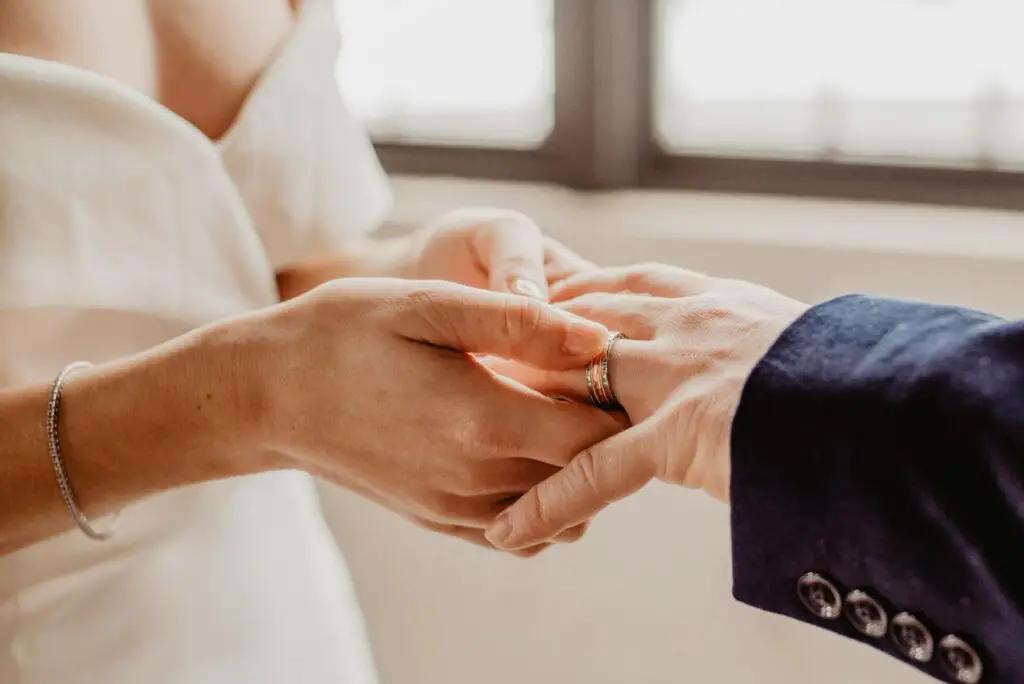
Back in the day, the concept of men’s wedding rings wasn’t even on the radar. Historically, men didn’t actually wear wedding rings until the early 20th century. It was during the World Wars that the tradition really picked up, as a symbol of their bond with those awaiting their return. It was a tangible connection to their partners—a ring that signified love across miles and war zones. Who bought these rings? Typically, it was a shared cost or fell on the bride-to-be’s family. The responsibility of buying the ring wasn’t set in stone, but it was more about expressing unity regardless of who swiped the card.
Changing Trends: Who Buys the Man’s Ring Today?
Today, the scene is dramatically different. The lines are blurred, and who buys the man’s wedding ring largely depends on personal choice. As gender roles become more fluid, many see the decision as another aspect of modern relationships that deserves flexibility. Some couples opt to purchase each other’s rings, sharing the tradition equally. Others might decide that the woman buys both rings for ease, or because it’s more aligned with personal or cultural customs. In essence, there’s no one-size-fits-all answer; today’s couples often favor practicality and preference over sticking rigidly to tradition.
Cultural Differences in Purchasing Wedding Rings
Cultural backgrounds play a significant role in who ends up purchasing the wedding rings. In some cultures, it’s customary for the bride’s family to shoulder the costs as part of a dowry or wedding gift. In other societies, the expectation is flipped, with the groom’s family covering expenses. These practices speak volumes about values and expectations within different communities. Understanding these cultural differences can help you navigate expectations while respecting traditions that might be important to your entire family network. By learning about each other’s cultural backgrounds, couples can avoid misunderstandings and make choices that honor their heritage.
Financial Considerations: Sharing Costs in Modern Relationships
Let’s talk dollars and cents because, like it or not, budgets come into play with weddings. Deciding who buys the man’s wedding ring often boils down to financial logistics. Some couples prefer to split all wedding expenses, including the rings, reflecting their shared future and responsibilities. Others might decide that one partner handles the wedding rings while the other focuses on different areas of the wedding. It’s also increasingly common for couples to have joint accounts by the time they marry, making the distinction of “who buys what” less significant. The key is balancing romance with financial pragmatism.
The Role of Gender Norms in Wedding Ring Purchases
Gender norms have long dictated roles in marriages, but what about buying a wedding ring? As society leans more towards equality and shared responsibilities, these norms are being challenged. The idea of the man buying the woman’s wedding ring and the woman reciprocating for the man’s ring is fading. Instead, many couples emphasize equality and partnership over traditional roles, questioning old-school norms. Conversations about this can open the door to deeper discussions about expectations and roles within the marriage, setting the stage for a union based on mutual respect and understanding.
Popular Myths and Misconceptions About Who Buys Men’s Wedding Rings
So many myths surround wedding traditions, and the purchase of men’s rings is no exception. One popular misconception is that whoever buys the ring holds more power in the relationship. Others believe if one partner buys the rings, it signals financial dominance. Yet, for most modern couples, these myths hold no water. They focus instead on the symbolism of the rings rather than the financial dynamics of who paid for them. Another common myth is that men are less interested in the aesthetics of their wedding ring, which can often lead to discussions about style and preferences that might, in fact, be surprisingly detailed and enthusiastic.
Personal Stories and Experiences: Couples Share Their Choices
The beauty of discussing who should buy the men’s wedding ring is hearing real-life experiences. Many couples have shared stories that highlight different approaches, from partners who took on the task separately to those who made it a team effort. Emily and Jake, for instance, decided together how much they wanted to spend and purchased each other’s rings—symbolizing their unified approach to life. Meanwhile, Samantha bought her fiance’s ring because she spotted the perfect one and couldn’t resist. These stories reflect how diverse and personalized these decisions can be, with each couple carving out their own traditions.
Shopping Tips for Women Buying Men’s Wedding Rings
If you’re on the hunt for the perfect men’s wedding ring, here are a few tips to make the experience smooth and enjoyable. First off, get to know his style—does he lean towards classic or modern? Understanding his taste will guide your choice. It’s also wise to set a budget before you hit the shops, ensuring you stay within a comfortable range. Consider the lifestyle factor; if he’s active or works with his hands, opt for durable materials like tungsten or titanium. Don’t forget about the fit; getting sized professionally can save future adjustments. With these in mind, you’re more likely to find a ring that he’ll love and wear comfortably.
Conclusion
When all’s said and done, the question of who buys the man’s wedding ring isn’t just about tradition or modern values—it’s about what works for you as a couple. Open communication is your best bet for navigating these waters. Talk about expectations, share financial responsibilities, and understand each other’s perspectives. Ultimately, the exchange of wedding rings is a deeply personal symbol, and how you choose to go about purchasing them should reflect that intimacy and individuality. Celebrate the partnership and commitment in a way that feels uniquely yours, and take this opportunity to set a tone of equality and cooperation for your marriage.
