When it comes to serious relationships, choosing the perfect rings can often feel like embarking on an epic adventure. Many wonder, *is an engagement ring the same as a wedding ring*? These questions are just the beginning of understanding the significance behind these symbolic pieces of jewelry. An engagement ring traditionally represents a promise or commitment to marriage, whereas a wedding ring symbolizes the actual union of two individuals. Diving into the differences between these rings is akin to peeling back layers of tradition and sentimentality that have been cherished for centuries.
Overview of Engagement and Wedding Rings
The *definition and purpose* of engagement and wedding rings reveal their unique roles in a romantic journey. An engagement ring is typically given during a proposal, signifying the intent to marry. It often features a prominent gemstone, a symbol of enduring love. In contrast, a wedding ring, exchanged during the ceremony, represents the eternal commitment to the relationship. Historically, these rings have been part of traditions across cultures, serving as a testament to love’s binding power.
*Historical background and traditions* shed light on why these rings hold such profound significance. Engagement rings can trace their origins back to ancient Rome, where wives wore rings attached to small keys, signifying their husbands’ ownership. Wedding rings date back even further, with early examples from Ancient Egypt symbolizing eternity through their circular shape. Over time, these practices evolved, shaping the customs we observe today.
Key Differences Between Engagement Rings and Wedding Rings
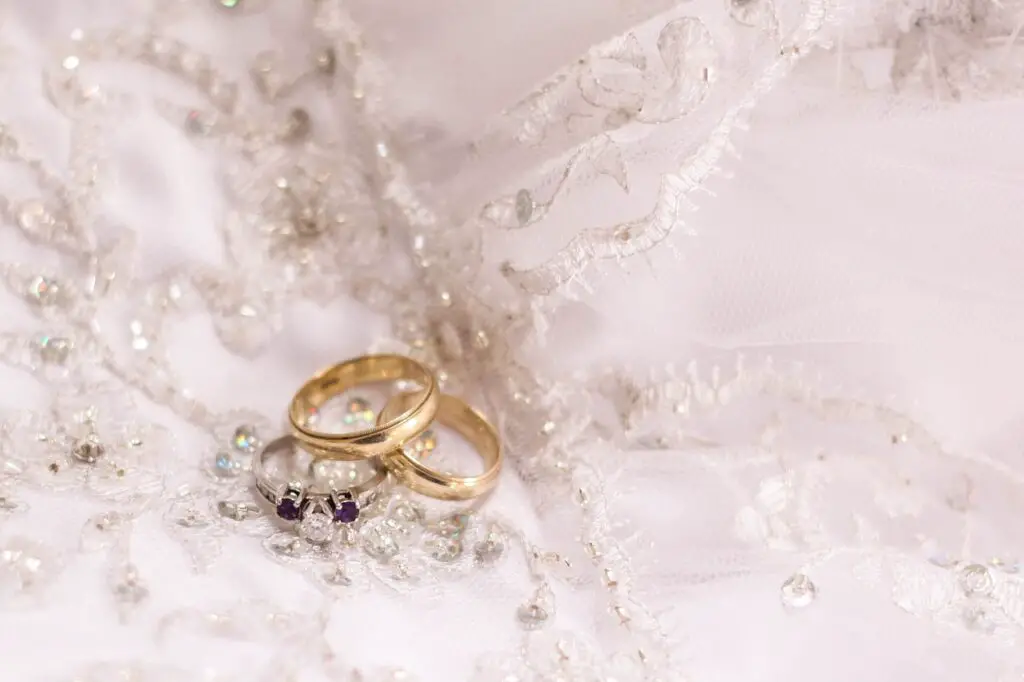
When examining *design variations and symbols*, the differences between engagement and wedding rings become apparent. Engagement rings often have a singular center stone, such as a diamond, or a cluster of stones, making them distinct from wedding bands, which are generally simpler. This distinction extends to the materials and styles; engagement rings frequently feature ornate designs, while wedding bands lean towards understated elegance. These differences echo the distinct milestones these rings represent in a relationship.
The *timing and occasions* for each ring also set them apart. An engagement ring is given during the proposal, marking the beginning of the couple’s commitment, while the wedding ring is exchanged during the marriage ceremony as couples vow their lifelong dedication. These moments are not just bookmarks in time but are also integral to the transition from engaged partners to a married couple.
*Customary materials and styles* further differentiate these rings. Engagement rings often utilize precious stones and metals. Their designs can vary from classic solitaires to elaborate vintage styles, depending on personal tastes. Wedding rings, on the other hand, often use gold, platinum, or white gold and present a more uniform appearance. While some couples choose matching sets to signify their union, others might prefer unique styles that reflect their individuality.
The Role of Each Ring in Marriage Tradition
The *engagement ring* serves as a tangible declaration of intent. When one gets down on one knee, the ring becomes a promise worn on the finger, signaling to the world that a commitment has been made. It’s more than just an accessory; it is a beacon of commitment, sparking excitement and anticipation for the future wedding.
Meanwhile, the *wedding ring* is exchanged during the ceremony itself, representing vows and eternal commitment. It is the ultimate symbol of love’s unending circle, embodying fidelity and completion. The simplicity of wedding bands highlights the purity and seriousness of the marital vows if anything.
How to Choose the Right Rings for Your Relationship
Understanding *budget considerations and financial planning* is essential when selecting the perfect rings for your relationship. Budgeting wisely ensures that one makes practical decisions without compromising on the sentimental value of the rings. Some might choose to splurge on an engagement ring and opt for simpler wedding bands, while others might prefer investing equally in both. Aligning these choices with financial capabilities is crucial for a sound decision.
Your *personal style and customization options* provide an opportunity to reflect your relationship’s uniqueness. Custom designs allow couples to select specific stones, settings, and engravings that hold personal significance. Whether opting for classic designs or more modern takes, ensuring these rings mirror your personal styles and preferences is vital.
The debate between *matching sets vs. unique pieces* is a personal one. Some couples find meaning in having matching sets representing their unity and shared life journey. Others prefer unique pieces that reflect their individual personalities and tastes. Balancing personal preference with the shared symbolism of marriage contributes to choosing the right rings.
Modern Trends and Innovations in Ring Choices
In today’s market, *alternative materials and ethical sourcing* have become popular choices among modern couples. Trends are moving towards sustainable and ethically-sourced materials, reflecting a growing consciousness around environmental and social issues. Whether considering recycled metals or lab-grown diamonds, there are myriad ways to make a thoughtful ring selection.
*The rise of non-traditional designs* highlights another facet of modern trends. Couples today are exploring designs that break from convention, incorporating unique stones, shapes, and materials. These designs offer a fresh take on what engagement and wedding rings can represent, allowing for greater personalization and creativity.
FAQs About Engagement and Wedding Rings
Can the same ring be used for both engagement and wedding? While it’s not traditional, some choose a ring that serves both purposes, often due to budget considerations or simply personal preference. It combines the symbolism into one piece, simplifying wear and costs.
What finger do they go on? Traditionally, both rings are worn on the ring finger of the left hand. This custom is based on the belief that this finger contains the “vena amoris,” or “vein of love,” that leads directly to the heart.
Caring for and insuring your rings. Maintaining the quality of these precious pieces involves regular cleaning and proper storage. Insurance is also recommended to protect against loss or damage, providing peace of mind should the unexpected happen.
Conclusion
Choosing the perfect rings for your love story involves thoughtful consideration, encompassing more than just aesthetics and tradition. From understanding the unique roles each ring plays to navigating modern trends, every choice builds upon the foundation of the love and commitment they symbolize. Whether you opt for classic designs or captivating, innovative styles, let your rings be an extension of your unique love story, reflecting the journey you embark upon together with every step.
