
Throughout history, wedding rings have remained a fundamental symbol of marriage. These small, often understated pieces of jewelry signify a commitment between two individuals, transcending different cultures and eras. _In many societies, a wedding ring represents the enduring nature of love and the promise to remain faithful and supportive in all circumstances_. Before any vows are exchanged, the very act of exchanging rings embodies the unbreakable bond that defines a marriage. Despite differences in materials, designs, and traditions across the world, the wedding ring remains a universal emblem of unity and devotion.
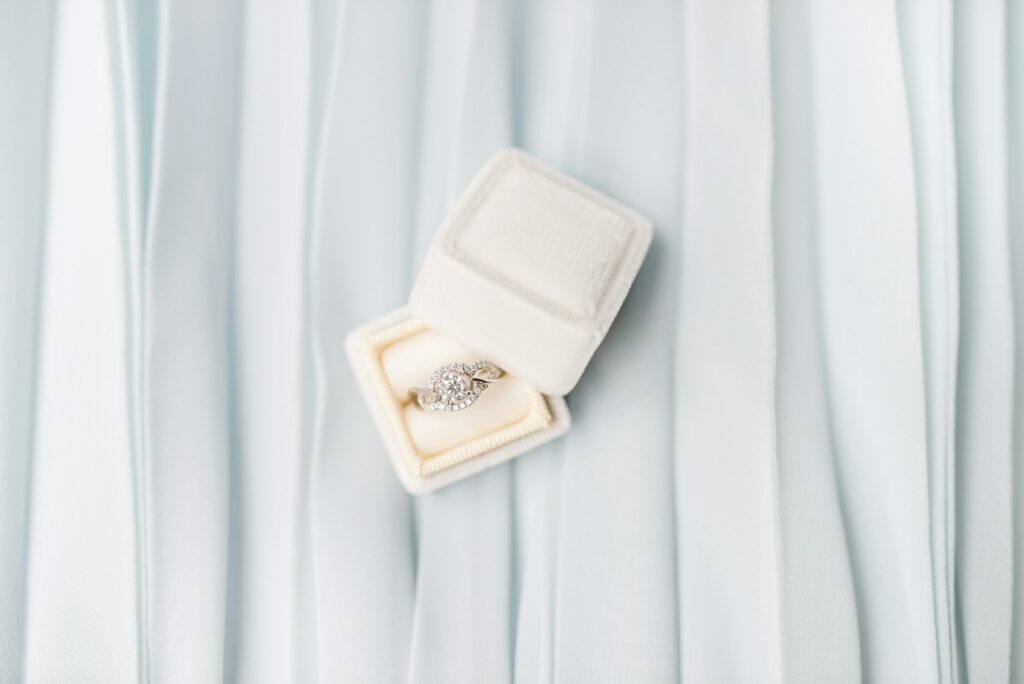
The Timeless Tradition of Wedding Rings
What makes wedding rings a timeless tradition? The answer lies in their ability to capture the essence of love’s eternity. These symbols have been cherished across generations, becoming a consistent element of matrimonial ceremonies. _Long before the modern diamond-studded bands we’re familiar with today, ancient cultures used various types of rings to signify matrimonial bonds_. While designs may change and evolve with time, the significance of wedding rings as a mark of everlasting love has not wavered, capturing hearts and ensuring their place in various wedding rituals worldwide.
Historical Origins and Evolution
The history of the wedding ring is as rich and diverse as the institutions of marriage themselves. Ancient Egyptians, for instance, believed circles symbolized eternity, making rings a perfect representation of undying love. They crafted rings from reed and hemp, considering them magical symbols of love and ownership. _Fast forward to ancient Rome; the tradition evolved with the use of iron and later gold, showcasing wealth and lifelong commitment_. As time progressed, rings also started to feature inscriptions or intricate designs, reflecting more personal or cultural symbols of unity and devotion.
Cultural Variations and Symbolism
Not every culture views wedding rings in the same light, and indeed, there’s a kaleidoscope of meanings attached to them around the world. In many Western cultures, rings are a testament to endless love when worn on the left hand’s ring finger. Why? It was once believed a vein in this finger led directly to the heart. _Meanwhile, in some Eastern traditions, wedding rings are worn on the right hand, representing the strength and permanence of marriage_. These differences only scratch the surface but illustrate the beautiful variety in how different societies celebrate the sanctity of marriage with this emblematic circle.
The Circle: Forever and Infinite Love
The defining feature of a wedding ring’s design is its shape — a perfect circle. This design represents an unbroken band, capturing the notion of forever. With no beginning or end, the circle epitomizes the continuity and infinite nature of love. _Interestingly, while the circle is simple in design, it is profoundly meaningful. It’s a fitting metaphor for marriage, emphasizing that love, like this shape, is eternal and boundless_. When words fall short, sometimes that continuous circle on one’s finger is enough to communicate the depths of one’s promise.
Material and Design: Hidden Meanings
Who knew the choice of material and design in a wedding ring could carry so much weight? Every engraving, the choice between gold, silver, or platinum, can further embed symbolic meanings into this everyday piece. While gold is traditional and signifies wealth and prosperity, platinum — resistant to wear and tear — reflects enduring strength. _In terms of design, intricate detailing might symbolize personal stories or beliefs, making each ring as unique as the love it represents_. These subtle nuances are not always apparent to the outside world, but they add layers of significance for the wearers.
Engagement Ring vs. Wedding Ring
One might wonder, “What’s the difference between an engagement ring and a wedding ring?” Engagement rings typically feature a prominent gemstone, like a diamond, signifying a formal agreement to a future marriage. _While engagement rings announce an intention and commitment, wedding rings, simpler in style, act as a tangible token of the formalized vows_. In essence, while the engagement ring sets the stage for a couple’s journey towards marriage, the wedding ring underscores the promise made on that awaited day of matrimony.
Spiritual and Religious Significance
In many religions and spiritual traditions, wedding rings hold profound significance. In Christianity, rings may symbolize the holy covenant and God’s unending love, while in Hindu culture, wedding rings become part of multifaceted rituals symbolizing the broader spiritual union of two families. _Jewish customs, often void of engagement ring traditions, focus on the deep spiritual and legal symbolisms vested in the wedding ring itself_. Each faith brings its own depth of meaning to this small circular band, embedding religious sentiments within it.
Modern Interpretations and Personalization
In today’s world, personalization is key. Couples are increasingly seeking to make their wedding rings a reflection of their personal stories or shared experiences. Engravings, unique designs, alternative materials — even birthstones or small tokens — can all be woven into modern wedding rings. _This personalized approach ensures that while fashion and styles may shift, the rings remain eternal emblems of personal commitment and meaningful connections_. It’s about creating memories and embedding them into the fabric of everyday life, one personalized touch at a time.
How Movies and Pop Culture Influence Perception
Ever notice how wedding rings often play a pivotal role in movies and pop culture? The glistening band, often sparkling away in pivotal scenes, can set expectations and perceptions about marriage and its symbols. _Popular culture has a profound influence on how individuals might perceive or prioritize the tradition of wedding rings, making them not just symbols of personal commitment, but of cultural storytelling too_. Such portrayals might not only affect individual preferences but may also shape societal norms and expectations about love and marriage.
Choosing the Right Wedding Ring: What to Consider
When it comes to selecting a wedding ring, there’s more to it than sheer aesthetic appeal. Factors like lifestyle, daily activities, and personal values play a significant role. Do you prefer something understated or glamorous? _Consider materials that match your lifestyle: some, like platinum, are resilient and suited for active hands whereas others require more attention and care_. Ultimately, the perfect ring is one that resonates with your story and remains a lasting reminder of your shared commitment.
Ethical and Environmental Considerations in Modern Rings
In recent times, ethical and environmental awareness has moved to the forefront in discussions about wedding rings. The diamond industry, in particular, has faced scrutiny over ethical sourcing and environmental impact. _Hence, many couples now opt for conflict-free diamonds or alternative gemstones in an effort to make socially responsible choices_. Some even choose vintage or recycled materials, ensuring their rings not only represent love but also a commitment to a better world. It’s a meaningful way to respect both your bond and the earth.
The Continuing Legacy of Wedding Rings
The legacy of wedding rings is woven into the fabric of human history as a symbol that transcends personal relationships. They are markers of cultural tradition, personal history, and romantic commitment. _These simple yet profound circles continue to serve as powerful reminders of an enduring promise — to love, honor, and cherish, come what may_. As times change and new stories are written, wedding rings remain timeless artifacts of love’s singular power to transcend beyond mere words.
