
Wedding rings are more than just beautiful pieces of jewelry to adorn our hands; they’re rich in symbolism and tradition. They represent a lifelong commitment made between partners and signify love and fidelity. For many, the exchange of rings is one of the most cherished moments in a wedding ceremony. But have you ever wondered why a specific finger is chosen for this symbolic piece? It’s fascinating to explore how this tradition came to be and why the placement of this small band plays such a significant role in different cultures around the world.
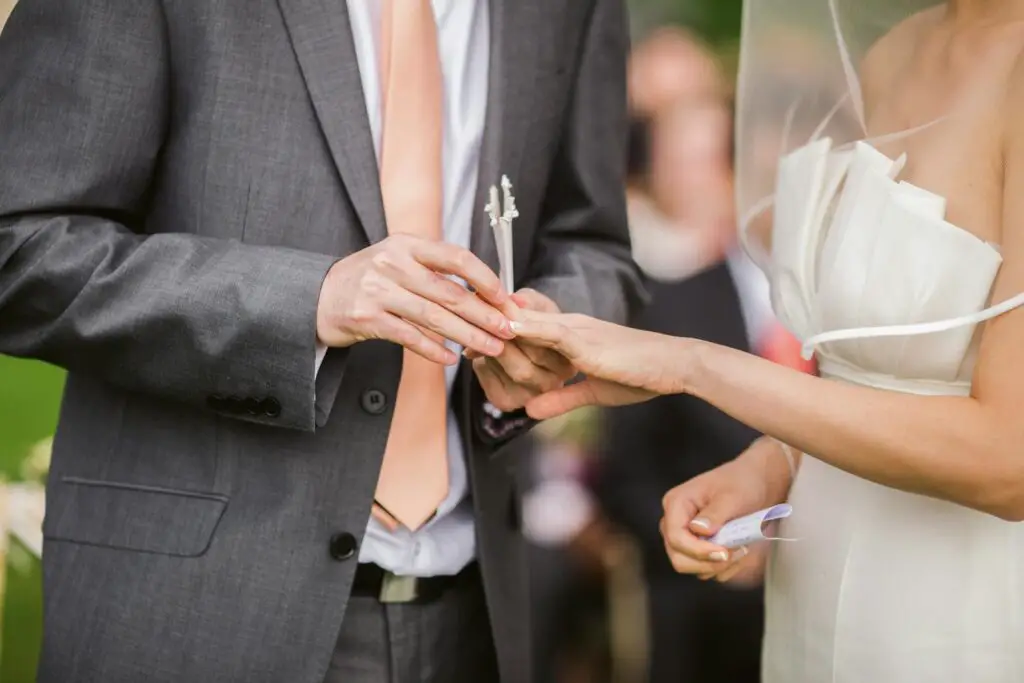
Historical Significance of Wedding Ring Placement
Historically, the tradition of wearing a wedding ring dates back thousands of years. The ancient Egyptians are often credited with establishing the circular band as a symbol of eternity, representing a bond that has no end. Interestingly, the placement of the wedding ring has also held particular significance over time. The Romans contributed to this tradition by romanticizing the idea of the “vena amoris” or “vein of love,” which they believed ran directly from the fourth finger of the left hand to the heart. Though anatomically unfounded, this notion has endured, affecting many cultures’ practices regarding ring placement. With humanity’s penchant for romance, it’s no surprise these symbolic origins continue to hold sway in our modern rituals.
Cultural Variations in Wedding Ring Traditions
While many cultures adopt the practice of wearing a wedding ring, the finger on which it is worn can differ worldwide. In some European countries like Germany and Norway, it’s customary to wear the wedding band on the right hand. The influence here traces back to old Roman Catholic and Protestant customs. Meanwhile, in Jewish tradition, brides wear the wedding ring on their index finger during the ceremony and later may move it to the ring finger. Furthermore, in India, it’s common for a wedding band to be worn on the right hand, as the left hand is considered unlucky in traditional beliefs. These cultural nuances highlight the rich tapestry of wedding traditions and signal how personal interpretations of love and commitment can reflect cultural identity.
The Traditional Finger for Wedding Rings
The traditional placement for wedding rings, especially in Western cultures, is the fourth finger of the left hand, commonly known as the “ring finger.” This choice dates back centuries and is still widely accepted in many parts of the world. Although the choice is primarily based on historical traditions and symbolic meanings rather than any modern-day mandate, the custom persists. For couples adhering to this tradition, sliding the ring onto this finger during the ceremony feels not only romantic but also anchoring, tying them into an age-old ritual of love and fidelity. The fourth finger signifies marital unity, serving as a visible bond between two individuals who promise to support one another through thick and thin.
Symbolism Behind the Fourth Finger
The symbolism of the fourth finger, particularly on the left hand, carries a romantic legacy. Historically, it has been connected to the idea of the vein of love—or “vena amoris”—linking this finger directly to the heart. While there’s no scientific basis for this belief, it serves as a powerful metaphor for romantic connection and heartfelt commitment. In many ways, the act of placing a wedding ring on this finger serves as a promise that echoes the boundless and circular nature of the ring itself. This belief may not be based in anatomical truth, but it is profoundly poetic, weaving into the very fabric of wedding ceremonies a story of eternal love bound to the physical and emotional heart.
Engagement Rings vs. Wedding Rings: Finger Placement Differences
Engagement rings and wedding rings typically adorn the same finger in many Western cultures: the fourth finger on the left hand. However, their journey to that finger may differ from person to person. Often, the engagement ring is worn alone on the ring finger until the wedding ceremony. Upon exchanging vows, many choose to wear both rings together on the same finger, often with the wedding band placed first, closer to the heart. This placement order symbolizes that the married commitment represented by the wedding band should stay closest to the heart. Interestingly, some individuals choose to switch hands or shift the engagement ring to make room for their wedding band, showcasing flexibility and personal preference in these timeless traditions.
Modern Trends in Wedding Ring Placement
In today’s diverse and inclusive world, modern couples are starting to redefine the conventions of wedding ring placement. Some choose to wear their wedding band on the same finger as their engagement ring, while others mix it up by placing the rings on different hands, making a personal statement of love unique to them. Additionally, non-traditional jewelry designs and cultural influences have pushed boundaries, allowing individuals to select a ring and its placement that correspond to their personal style. Amid these modern trends, the choice of finger can even become symbolic of dual identities or signify individual freedom and agency. Such diverse perspectives invite a fresh narrative into the age-old tradition of wedding rings, blending personal choice with heritage and modernity.
Choosing the Right Finger for Your Wedding Ring
Choosing the right finger for your wedding ring is a decision ingrained with personal meaning and cultural significance. While tradition suggests the fourth finger on the left hand for many, you can explore different options that reflect your individual or joint beliefs. Perhaps your cultural background or family traditions guide your choice. Alternatively, your lifestyle, workplace requirements, or even comfort during daily activities might influence this decision. Ultimately, what’s important is selecting a finger that feels right for both partners—a place where the ring serves not just as a symbol of commitment, but also as a true representation of both your personalities. Flexibility in these traditions can make the ring even more meaningful, as it adapts to fit your unique love story.
How to Ensure the Perfect Fit on Your Chosen Finger
Ensuring the perfect fit for your wedding ring requires consideration and a few practical steps. Start by getting your ring finger sized by a professional jeweler, as it can vary due to temperature, time of day, and several other factors. When choosing the fit, consider future changes in your finger size, whether due to seasonal changes, weather, or other factors. Your ring should be snug enough to not fall off, but loose enough for comfortable movement. Some people prefer to resize their ring periodically to account for any fluctuations. Keep in mind that the material of the ring can also impact comfort. Considering these factors can help in maintaining the ring’s fit and keeping your treasured band in place exactly where it belongs.
Caring for Your Wedding Ring on Different Fingers
Caring for your wedding ring, regardless of which finger you wear it on, is crucial to preserving its beauty and symbolic value. Regular cleaning will keep your ring sparkling; mild soap and a soft brush work wonders in removing built-up residues. Polishing may be necessary if your ring encounters scratches or wear. If your lifestyle involves a lot of physical activities, consider removing your ring to prevent unnecessary damage or snagging. Also, regularly check the settings to ensure that stones remain secure, and take it for professional inspections to maintain its structural integrity. By taking these steps, you ensure your wedding ring remains a reflection of the enduring love and commitment it symbolizes, shining brightly no matter which finger it adorns.
Wrap Up: What the Finger Choice Says About You
The choice of finger for wearing your wedding ring tells a story that extends beyond mere tradition. It reflects your cultural heritage, personal beliefs, and individual preferences. Whether adhering to age-old customs or embracing new trends, how you choose to wear your ring showcases your unique journey through love and commitment. This personal choice represents more than just style; it embodies the essence and significance of the partnership you cherish. By selecting the finger that best resonates with your bond, you create a meaningful narrative that combines history, individuality, and a future you and your partner are creating together. And in the end, isn’t love all about reflecting your own truest desires and values?
FAQs About Wedding Ring Finger Placement
Q: Which finger do you usually wear a wedding ring on?
A: Typically, wedding rings are worn on the fourth finger of the left hand in many Western cultures, but this can vary depending on cultural or personal preferences.
Q: Can you wear a wedding ring on a different finger?
A: Yes, while traditional customs suggest a specific finger, many people choose to wear their wedding ring on a finger that best suits their lifestyle, comfort, or cultural traditions.
Q: Why is a wedding ring worn on the left hand?
A: The tradition stems from the ancient belief in the “vena amoris,” a vein thought to run from the fourth finger of the left hand directly to the heart, representing love and commitment.
Q: Do the engagement ring and wedding ring go on the same finger?
A: In most Western cultures, both rings are worn on the fourth finger of the left hand, with the wedding band placed closer to the heart when both are worn together.
