
Formal dress for a wedding often invokes visions of elegance, sophistication, and timeless style. But what exactly defines a formal dress code when you’re invited to a wedding? The term “formal” can sometimes be a bit perplexing, but at its core, it represents a call for attire that’s polished and upscale, making the celebration feel special and honored. Whether it’s a grand ballroom affair or an intimate garden ceremony, understanding the nuances of formal wedding attire helps ensure you dress to impress while perfectly adhering to the couple’s expectations.
Understanding the Essence of Formal Wedding Attire
Getting dressed for a wedding is not just about looking good—it’s about paying homage to the occasion. Formal wedding attire encapsulates this sentiment. Rooted in tradition, sartorial elegance, and a bit of grandeur, these garments elevate the mood of the day. When it comes to weddings, an invitation marked “formal” is a nod to a classic and stylish dress code. So, what’s the essence of dressing formally? Think clean lines, luxurious fabrics, and a fitting silhouette that’s as comfortable as it is chic. In essence, it’s an opportunity to wear your finest and be part of a beautifully crafted visual narrative on a joyous day.
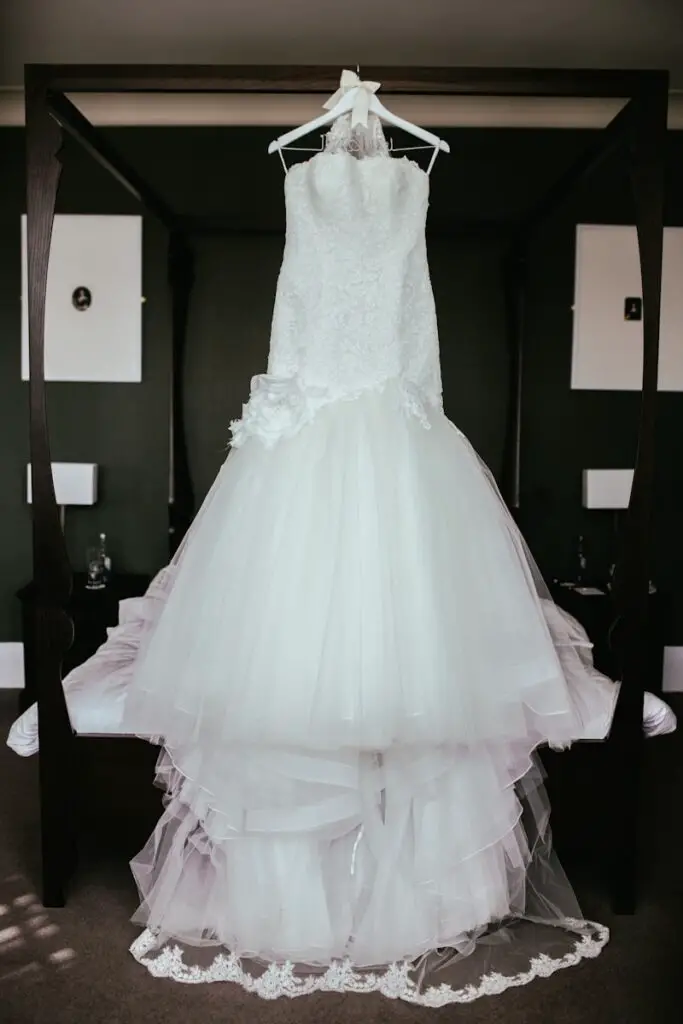
Decoding Formal Dress: What It Really Means for Weddings
The concept of formal dress can vary significantly depending on cultural expectations and personal interpretations. For weddings, formal dress usually lies somewhere between business casual and black tie. Men might opt for dark suits and ties, possibly a tuxedo for evening affairs, while women might choose an elegant cocktail dress or a long gown. The emphasis is on elegance and refinement. Understanding the nuances can ensure you’re dressed appropriately—avoiding the faux pas of being under or overdressed. Utilizing fabrics like silk, velvet, and high-quality cotton adds to the formal aesthetic.
The Evolution of Formal Wedding Fashion: A Brief History
As societal norms have evolved, so too has formal wedding fashion. What began in the early 19th century as a riot of colors with ornate embellishments slowly became more streamlined and subdued. Queen Victoria’s choice of a white gown in 1840 set the trend in motion for the white wedding dress many have come to expect as traditional today. Over the decades, trends have varied, with influences from Art Deco, the rebellious flapper era, the romantic 50s, and the minimalistic 90s leaving indelible marks. Each era introduced fresh ideas and designs, enriching the tapestry that defines formal wedding attire today.
Different Types of Formal Wedding Dress Codes Explained
Wedding attire today isn’t always a straightforward black-tie affair. Couples often choose tailored dress codes that reflect their personal styles and the spirit of their celebration. Black Tie is considered the most formal, requiring tuxedos for men and evening dresses for women. Black Tie Optional offers more flexibility, allowing men to wear dark suits if they don’t own tuxedos. Formal or Cocktail Attire leans slightly less formal, welcoming dark suits and cocktail dresses. Understanding these subtleties is crucial in aligning your attire with the wedding’s ambiance and expectations.
Distinguishing Characteristics of Formal Wedding Dresses
Formal wedding dresses boast distinctive features that set them apart from casual or semi-formal styles. These dresses are often characterized by their luxurious fabrics, intricate detailing, and structured fits. They may spotlight elements such as lavish embroidery, elegant beading, or sophisticated silhouettes like A-line, ball gowns, and mermaids. Accessories like a sleek belt, elegant gloves, or a statement clutch can add a touch of flair. Combining these elements crafts a look that’s timeless, allowing the wearer’s personality and grace to shine brightly on such a significant occasion.
Essential Elements to Consider When Choosing a Formal Wedding Outfit
When selecting your formal wedding attire, several essential elements come into play. Firstly, consider the venue and season—what works in a grand ballroom may not be suitable for a garden wedding. Secondly, pay attention to the couple’s preferences and any cultural considerations. It’s also vital to ensure proper fit and comfort; a well-tailored outfit speaks volumes about your respect for the occasion. Incorporate your personal style within the boundaries of formality. Lastly, don’t forget practical elements, like ensuring your attire is suitable for dancing or other activities planned during the wedding.
Styling Tips for Women: Navigating Formal Wedding Dress Codes
Dressing formally for a wedding as a woman is a delightful opportunity to showcase both elegance and personality. A floor-length gown isn’t always a necessity, but it certainly elevates the formality factor. Opt for sophisticated cuts and fabrics like silk or chiffon. Neutral tones are always safe, yet a bold color can turn heads if it aligns with the theme. Don’t skimp on accessories—a statement necklace or delicate bracelet can add depth to your outfit, while elegant heels can complete the look. Makeup and hairstyle should complement your ensemble, harmonizing your entire appearance.
Guidelines for Men: How to Nail the Formal Wedding Look
Men, listen up! Nailing the formal wedding look is about adhering to classic elements while injecting a bit of your own flair. A well-fitted suit is the cornerstone of any formal attire, preferably in a dark shade like navy or charcoal. Consider a traditional tuxedo if the event demands black tie. Keep shirts crisp and ties tasteful—nothing too bold to overshadow the suit. Shoes should be polished, lending an air of refinement to the ensemble. Finally, add a touch of personality with a pocket square or a subtle lapel pin, ensuring that your style speaks softly yet confidently.
The Role of Accessories in Elevating Your Formal Wedding Attire
Accessories can make or break an outfit, acting like the icing on your formal wear cake. They offer a splash of personality amid conventional attire. For women, a clutch or a pair of understated earrings can elevate a gown from beautiful to breathtaking. Men can make a statement with cufflinks, a stylish watch, or even a hat, depending on the wedding’s theme. But here’s the thing: less is more. Your accessories should complement your outfit, not overwhelm it. They’re like the perfect seasoning—adding flavor without overpowering the main dish.
Choosing the Right Fabric for Formal Wedding Dresses
The fabric you choose plays a significant role in defining how formal your attire appears. Luxurious fabrics like satin, silk, velvet, or taffeta often dominate the formal wedding scene. Each material brings its own unique texture and feel, contributing to the overall aesthetic of the outfit. Satin offers a smooth finish with a slight sheen, perfect for evening gowns, while chiffon provides a lighter, flowing feel ideal for summer weddings. Velvet brings depth and warmth, suited to ceremonies in cooler climates. Picking the right fabric ensures comfort and style, allowing you to enjoy the event with ease and grace.
Color Palette Choices and Their Significance in Formal Weddings
Color plays a pivotal role in wedding attire, carrying cultural and emotional significance, and reflecting the couple’s theme and season. Traditional colors like black, navy, and burgundy often dominate formal themes, exuding a classic and timeless appeal. However, modern weddings occasionally embrace bolder hues, like emerald green or deep purple, to make a fashionable statement. For women, softer pastels can offer a delicate touch, while men may incorporate color subtly via a tie or pocket square. Choosing the right colors can respect the couple’s vision and contribute to the elegant tapestry of the event.
Adapting Formal Wedding Attire to Different Seasons and Venues
The key to mastering formal wedding attire lies in adapting your outfit to suit different seasons and venues. Summer weddings welcome breathable fabrics and lighter colors, while winter ceremonies may inspire velvet and deeper hues. However, climate isn’t the only factor. A beach wedding might require formal attire that’s still airy and sand-friendly, whereas a formal church ceremony allows for heavier and more elaborate fabrics. Tailoring your attire to the environment not only showcases your adaptability but also ensures comfort, allowing you to focus on celebrating the joyous occasion.
Bridal Party Attire: Coordinating Formal Looks for Bridesmaids and Groomsmen
Coordinating attire for bridesmaids and groomsmen adds a cohesive elegance to the wedding theme. Bridesmaids’ dresses often echo the bride’s color palette, enhancing the visual harmony. Styles may vary, yet the tone and fabric, like silk or chiffon, remain consistent. For groomsmen, suits or tuxedos should match the groom’s in style and color, creating a unified, polished appearance. Incorporating subtle differences, such as unique ties or boutonnieres, can highlight their individuality while maintaining overall stylistic integrity. This coordination elevates the entire aesthetic, ensuring that the wedding party looks seamless in every cherished photograph.
Common Mistakes to Avoid When Selecting Formal Wedding Dress
Choosing the right formal wedding attire requires careful consideration to avoid common pitfalls. One major oversight is disregarding the dress code, which can lead to outfits that either overshadow or underplay the formality of the event. Another blunder is opting for outfits that prioritize fashion over comfort, causing distress throughout the celebration. Additionally, failing to consider the event’s venue and weather can result in attire that’s frostbitten or uncomfortably warm. Lastly, underestimating the importance of alterations can lead to poorly fitting clothing, which detracts from the elegance of the attire. Mindfulness in these areas ensures your ensemble is perfectly suited to the occasion.
How Cultural and Regional Influences Impact Formal Wedding Attire
Culture and geography often dictate what’s deemed formal in wedding attire. Cultural traditions influence every detail, from colors to cuts to fabrics. For instance, a wedding in India might call for highly ornate saris or lehengas, while a traditional Scottish wedding might feature kilts. Likewise, regional climate influences fabric choice—linen suits might be formal for a summer wedding in the tropics, but perhaps less so in a winter wedding in the UK. By appreciating these cultural and regional influences, attendees can dress appropriately, respecting the traditions and values inherent to the celebration.
Sustainable and Ethical Choices in Formal Wedding Fashion
As we become more conscious of our ecological footprint, sustainable fashion choices are gaining traction, even in the realm of formal wedding attire. Opting for garments made from ethically sourced and eco-friendly materials is a step towards greener celebrations. Vintage and second-hand stores offer a treasure trove of unique pieces that reduce the demand for new production. Furthermore, renting formal attire can be an environmental win, substantially cutting personal expenditure and waste. This approach not only honors the planet but also aligns with a growing societal shift towards conscious consumption, offering a meaningful way to celebrate momentous occasions.
Formal Wedding Dress Shopping: Tips for Finding the Perfect Fit
Finding the perfect fit for your formal wedding outfit involves more than just selecting the right style. It starts with knowing your body type and choosing cuts that enhance your best features. Professional alterations can transform an off-the-rack piece into a tailor-made masterpiece. When shopping, account for comfort and mobility—after all, weddings are a marathon of movement, from standing during the vows to dancing at the reception. Setting a budget can prevent overspending, while shopping early can ensure you have ample time for adjustments. With these strategies, you can confidently stride into any formal affair feeling both stylish and at ease.
Expert Insights: Interview with Wedding Stylists on Formal Dress Trends
To gain a deeper understanding of current formal dress trends, we spoke with top wedding stylists who shared invaluable insights. They highlighted a shift towards personalization, encouraging individuals to blend classic elegance with contemporary trends. This includes incorporating unexpected elements like a pop of color with shoes or a non-traditional fabric. Moreover, sustainability comes up time and again, with stylists advocating for eco-friendly choices. Accessories, as they hint, continue to be key in crafting distinctive looks. These expert tips provide fresh perspectives, steering you towards choices that resonate with your personal style while marking you as the best-dressed guest.
FAQs About Formal Dress Codes for Weddings
What should I wear to a formal wedding in summer? Opt for breathable fabrics like linen or lightweight cotton. For women, a soft-colored cocktail dress or maxi dress works well, while men can consider a lightweight suit in a light or dark color depending on the event’s timing and location.
Can I wear black to a formal wedding? Absolutely! Black is traditionally a go-to hue for formal attire. Its timeless elegance makes it suitable for any formal event, but you might want to add a splash of color with accessories or subtle patterns for a fun twist.
How can I make my formal attire more environmentally friendly? Consider renting your outfit, purchasing second-hand or vintage, or choosing garments made from sustainable materials. These options reduce waste and support sustainable practices.
Are there formal dress codes unique to specific cultures? Yes, cultural dress codes should always be respected. For instance, traditional Chinese weddings might feature red as a dominant color, while traditional Indian weddings may require saris or lehengas.
